WORK
Shadows and Secrets: Exploring Abyss of Deceptions’ Noir Influences in Thriller Filmmaking

Uncover the noir inspirations and atmospheric mastery that set Patty Moore as a visionary in the realm of dark and enigmatic cinema.
There is something timeless about the relationship between film noir and the thriller. Both genres understand that suspense does not always have to come from spectacle. Sometimes, a shadow across a doorway, an empty street after midnight, a suspicious conversation, or a character who refuses to reveal the whole truth can create more tension than an elaborate action sequence. Abyss of Deceptions draws upon this tradition, creating a world where atmosphere, uncertainty, deception, and moral complexity work together to shape the experience.
Patty Moore’s thriller storytelling explores many of the qualities associated with noir filmmaking while maintaining its own sense of mystery. The result is a narrative environment where appearances can be misleading and every character seems to exist within a larger web of secrets. Rather than presenting the world in simple terms of right and wrong, the story embraces ambiguity and encourages audiences to look deeper beneath the surface.
The Enduring Language of Film Noir
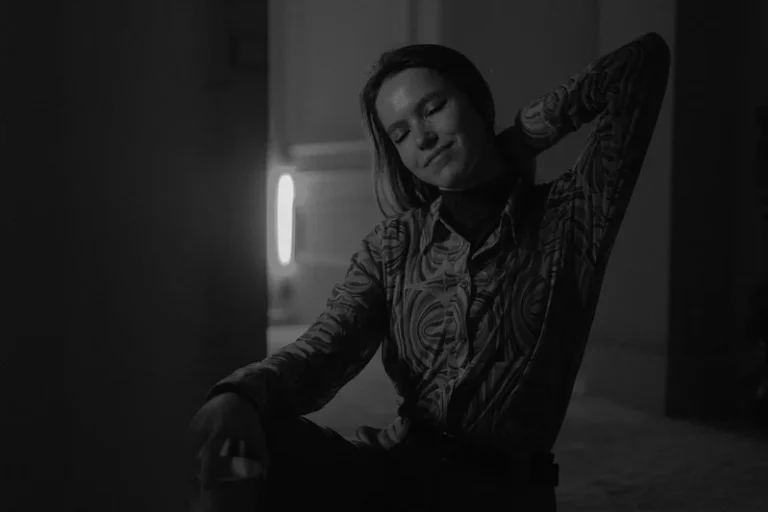
Film noir is recognized for its distinctive visual and narrative language. High-contrast lighting, deep shadows, nighttime settings, urban environments, morally complicated characters, and stories involving deception have long been associated with the style. These elements help create an atmosphere where uncertainty becomes part of the visual identity of the film.
Abyss of Deceptions builds upon this tradition by using darkness not merely as a visual choice but as a storytelling device. Shadows can conceal information, separate characters from their surroundings, and suggest that there is more happening beyond what the audience can immediately see.
The noir influence becomes particularly effective when visual atmosphere and narrative uncertainty reinforce one another. A darkened environment can make a character’s intentions feel unclear, while an apparently ordinary location can become suspicious simply because of the way it is presented.
Shadows as a Symbol of Hidden Truth
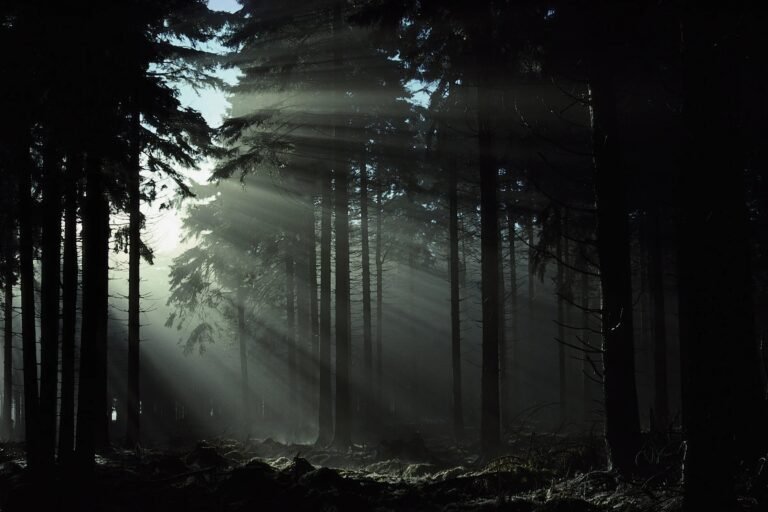
In noir-inspired filmmaking, shadows often represent more than darkness. They can suggest secrecy, uncertainty, isolation, and hidden motives. Characters may literally disappear into shadows, visually reflecting the fact that audiences cannot fully understand their intentions.
This symbolic use of darkness adds another layer to Abyss of Deceptions. The visual environment becomes connected to the central mystery. What remains hidden in the frame can feel just as important as what is visible.
This technique also creates an atmosphere of anticipation. When a scene refuses to reveal everything, viewers naturally begin searching for meaning. They may pay closer attention to background details, expressions, movements, or changes in lighting. The audience becomes an active participant in interpreting the story.
A World Built on Deception
The title Abyss of Deceptions immediately suggests a world where appearances cannot be trusted. Deception is one of the strongest foundations for thriller storytelling because it creates uncertainty between characters and audiences alike.
A character may tell only part of the truth. Another may hide information to protect themselves. Someone else may genuinely believe something that turns out to be incorrect. These different forms of deception create layers of uncertainty without requiring every character to be deliberately dishonest.
That complexity is central to noir storytelling. The mystery is not simply about discovering what happened. It is also about understanding why people behaved the way they did and determining which version of events can be trusted.
Morally Complex Characters
Traditional storytelling often separates heroes and villains clearly. Noir-influenced thrillers frequently take a different approach. Characters can possess admirable qualities while making questionable decisions, or they can behave suspiciously while having understandable motivations.
This moral complexity makes a thriller more unpredictable. When audiences cannot easily categorize a character, every decision becomes more interesting. A seemingly selfish action may later reveal an attempt to protect someone. A seemingly generous gesture may contain another motive.
In Abyss of Deceptions, this type of characterization strengthens the mystery because the audience must consider motivations alongside actions. The question is not simply who is responsible, but what each character wants, fears, or hopes to conceal.
Atmosphere Over Spectacle
One of the defining strengths of noir-inspired suspense is its ability to create tension through atmosphere. Instead of relying constantly on fast-paced action, the story can slow down and allow the environment to generate unease.
An empty corridor can create anticipation. Rain against a window can establish isolation. A dimly lit room can make a conversation feel dangerous. A long pause can suggest that a character is choosing their words carefully.
These details demonstrate how suspense can emerge from ordinary moments. The audience senses that something is wrong even when nothing overtly dramatic is happening. This quiet tension gives the story room to breathe while maintaining a constant feeling of uncertainty.
The Power of Nighttime Imagery
Night has always been an effective setting for noir and thriller cinema because it naturally limits visibility. Darkness creates visual uncertainty and allows filmmakers to control what audiences can and cannot see.
For a story centered around secrets and deception, this becomes particularly meaningful. Characters moving through nighttime environments can appear isolated from the ordinary world. Streets, buildings, and familiar locations can take on a different character after dark.
The use of nighttime imagery can therefore reinforce the psychological dimension of the story. The darkness outside can mirror the uncertainty developing inside the characters. What begins as a physical environment gradually becomes part of the emotional landscape.
Secrets That Reshape the Story
A strong mystery does not simply hide information until the end. It uses secrets to continually reshape the audience’s understanding of events. When a new piece of information emerges, something that previously appeared straightforward may suddenly seem suspicious or significant.
This technique allows Abyss of Deceptions to operate on multiple levels. A revelation can answer one question while creating another. A character’s past can change the meaning of their present actions. An apparently minor event can become important once its connection to the larger mystery becomes visible.
These layers are what make a noir-influenced thriller rewarding to explore. The audience is encouraged to remember details and reconsider assumptions rather than simply waiting for a final explanation.
The Psychology of Suspicion
Suspicion is one of the most powerful emotions in a thriller. Once audiences begin questioning a character, even ordinary behavior can appear significant. A glance, a hesitation, or a change in tone may suddenly seem like evidence of something hidden.
This psychological tension allows filmmakers to create suspense without constantly introducing new threats. The uncertainty exists within the audience’s interpretation of what they are seeing.
Patty Moore’s approach to thriller storytelling uses this kind of uncertainty to deepen the experience. The audience is encouraged to remain alert and question appearances. The mystery becomes psychological as well as narrative, because viewers must constantly decide which details deserve their attention.
Noir Influence Meets Modern Thriller Storytelling
The influence of noir does not require a story to remain locked in the visual or narrative conventions of the past. Contemporary thrillers can borrow noir’s atmosphere, moral ambiguity, and fascination with deception while presenting them through modern storytelling techniques.
Abyss of Deceptions represents this combination by using familiar noir principles as a foundation for a suspense-driven narrative. The darkness, secrets, uncertain motivations, and atmospheric environments work together to create a story that feels both mysterious and psychologically engaging.
The noir influence also gives the thriller a distinctive identity. Instead of treating suspense as a sequence of isolated surprises, it creates an entire world shaped by uncertainty. The audience is immersed in an environment where trust is fragile and information is never guaranteed to be complete.
Why Noir Still Works
The enduring appeal of noir comes from its understanding of human uncertainty. People make complicated choices. Secrets influence relationships. Good intentions can lead to difficult consequences. Appearances can conceal uncomfortable truths.
These themes remain relevant because they are not limited to a particular period or setting. A modern thriller can explore the same questions that have fascinated audiences for generations: Who can be trusted? What happens when the truth becomes dangerous? How far will someone go to protect a secret?
By incorporating these questions into a suspenseful narrative, Abyss of Deceptions demonstrates how noir traditions can continue to influence contemporary thriller filmmaking.
A Cinematic World of Shadows and Secrets
The strongest noir-inspired thrillers understand that darkness is not simply an aesthetic. It is part of the storytelling language. Shadows can hide clues, atmosphere can create uncertainty, and morally complex characters can make the truth difficult to identify.
Patty Moore’s approach brings these elements together in a cinematic world shaped by mystery and deception. Abyss of Deceptions invites audiences to look carefully, question appearances, and consider the possibility that every visible detail represents only part of a much larger story.
Ultimately, the noir influence gives the thriller an additional layer of depth. The mystery exists not only in the events taking place but also in the people experiencing them. Their motivations, fears, secrets, and decisions become part of the puzzle.
That is what makes the combination of noir and thriller filmmaking so enduring. Darkness becomes atmosphere, atmosphere becomes tension, and tension creates curiosity. With its emphasis on shadows, deception, moral uncertainty, and carefully constructed suspense, Abyss of Deceptions demonstrates how the visual and narrative traditions of noir can continue to shape compelling thriller cinema.