DARK FILM CHRONICLE
Edge-of-Your-Seat Excellence: Patty Moore Unleashes a Taut Thriller Masterpiece

Dive into the heart-pounding world crafted by Patty Moore, where suspense meets cinematic brilliance in this riveting analysis.
A great thriller does more than tell a suspenseful story. It creates an atmosphere of uncertainty, places its characters under pressure, and keeps audiences questioning what might happen next. The most effective thrillers understand the delicate balance between revelation and concealment, giving viewers enough information to remain engaged while holding back just enough to keep the mystery alive. Patty Moore’s work reflects this understanding of suspense, creating narratives that draw audiences into worlds where danger, uncertainty, and discovery exist around every corner.
Edge-of-Your-Seat Excellence captures the essence of tightly constructed thriller storytelling. Rather than depending solely on sudden twists or dramatic confrontations, the narrative builds tension through pacing, atmosphere, character decisions, and carefully controlled information. Every moment has the potential to shift the direction of the story, making it difficult for audiences to predict exactly where the journey will lead.
The Architecture of Suspense
Suspense begins with anticipation. When audiences understand that something important may be about to happen, even a quiet scene can become intensely engaging. A character entering an unfamiliar room, receiving an unexpected message, or noticing something that appears slightly out of place can create tension without requiring immediate action.
Patty Moore’s thriller storytelling embraces this principle by allowing tension to develop gradually. Instead of revealing every secret at once, the narrative creates a series of questions that encourage audiences to keep watching. What is really happening? Who can be trusted? What information is being concealed? And how will one decision affect everything that follows?
These questions become the foundation of the viewing experience. As the story progresses, each answer can introduce another uncertainty, creating a continuous chain of suspense that keeps the audience invested.
Pacing That Keeps the Pressure Rising
Pacing is one of the most important tools in thriller filmmaking. A story that moves too quickly may not give its characters or mysteries enough time to develop, while a story that moves too slowly can weaken the sense of urgency. The challenge is finding a rhythm that allows tension to build naturally.
A taut thriller uses changes in pace to its advantage. Moments of quiet can provide audiences with an opportunity to process what they have seen, while faster sequences can suddenly increase the emotional pressure. This contrast makes the suspense more effective because the audience never becomes completely comfortable with the rhythm.
In Moore’s style of cinematic storytelling, tension can emerge from both action and stillness. A seemingly calm conversation may carry as much significance as a dramatic confrontation because the audience understands that hidden information could change the situation at any moment.
Characters Under Pressure
The strongest thrillers place their characters in situations where choices have consequences. Suspense becomes more meaningful when audiences care about the people at the center of the story. A difficult decision becomes more compelling when there is something important at stake.
Characters in a tense thriller may be forced to choose between truth and safety, loyalty and self-preservation, or trust and suspicion. Their decisions reveal personality while simultaneously moving the mystery forward.
This connection between character development and suspense is essential. Rather than treating the plot as a sequence of disconnected events, a well-crafted thriller allows character choices to create new complications. One decision can lead to another problem, which can expose another secret and ultimately push the story toward a larger confrontation.
The Power of Atmosphere
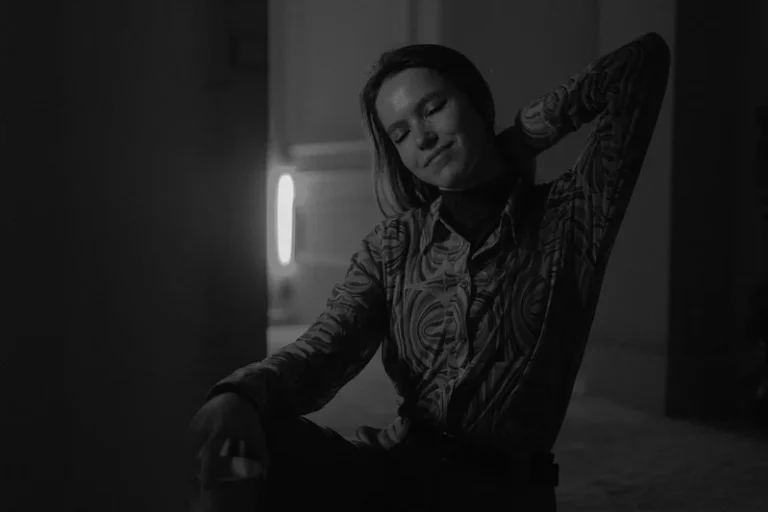
Visual atmosphere can transform an ordinary setting into an environment filled with uncertainty. Dark interiors, isolated locations, empty streets, unfamiliar surroundings, and carefully framed shots can all contribute to a thriller’s emotional identity.
Atmosphere is especially powerful when it supports the narrative instead of simply decorating it. A shadow can conceal a clue. A distant sound can create anticipation. A quiet environment can emphasize isolation. Even the absence of movement can make an audience wonder what is about to happen.
Moore’s approach to suspense demonstrates how cinematic atmosphere can work alongside storytelling. The environment becomes part of the tension, encouraging audiences to pay attention to details that might otherwise go unnoticed.
Keeping the Audience Guessing
A successful thriller constantly challenges assumptions. Audiences naturally form theories as they watch a mystery unfold, but the story can remain engaging by introducing information that forces those theories to change.
This does not mean that every development needs to be a dramatic twist. Sometimes a subtle revelation is enough to alter the audience’s understanding of a character or event. A previously unexplained action may suddenly make sense, or an apparently trustworthy character may become more difficult to understand.
These shifts keep viewers mentally involved. Instead of passively watching the story, they become participants in the investigation, constantly evaluating evidence and considering different possibilities.
When Suspense Meets Cinematic Brilliance
Thriller filmmaking becomes particularly effective when storytelling and visual language reinforce one another. The camera can reveal information or deliberately withhold it. Editing can increase urgency or create uncertainty. Sound can signal danger before the audience sees its source.
These techniques work together to create an immersive experience. The audience is not simply told that a situation is dangerous; they are encouraged to feel the uncertainty surrounding it.
This is where the idea of cinematic brilliance becomes especially important. A memorable thriller understands that suspense is an experience rather than a single event. It is created through a combination of writing, performance, pacing, sound, imagery, and atmosphere.
The Lasting Appeal of a Taut Thriller
The best suspense stories remain memorable because their tension extends beyond individual scenes. They create questions that stay with audiences and characters whose choices continue to invite discussion. Even after a major revelation, viewers may find themselves reconsidering earlier moments and recognizing details that carried greater significance than they initially realized.
Edge-of-Your-Seat Excellence illustrates why tightly constructed thrillers continue to attract audiences. The genre offers an opportunity to experience uncertainty while remaining safely outside the fictional world. Viewers can feel the pressure of the characters’ circumstances, anticipate possible dangers, and attempt to uncover the truth alongside them.
A Masterpiece Built on Tension
Patty Moore’s thriller craftsmanship demonstrates the importance of patience, precision, and atmosphere in suspense-driven storytelling. A powerful thriller does not need to reveal everything immediately. Instead, it allows tension to accumulate, characters to develop, and mysteries to deepen.
Through controlled pacing, compelling character dynamics, atmospheric filmmaking, and carefully placed revelations, a taut thriller can transform uncertainty into an unforgettable cinematic experience. Every unanswered question becomes an invitation to continue. Every discovery opens the possibility of another secret. Every decision carries the potential to change the direction of the story.
That is the essence of edge-of-your-seat storytelling. It is not simply about making audiences wonder what happens next. It is about creating a cinematic world in which every moment feels significant and every possibility remains open until the truth finally emerges.
With its focus on suspense, pressure, mystery, and cinematic atmosphere, Patty Moore’s approach captures what makes the thriller genre so enduring. The result is a storytelling experience that keeps audiences engaged, challenges their expectations, and leaves them eager to discover what lies beyond the next scene.